
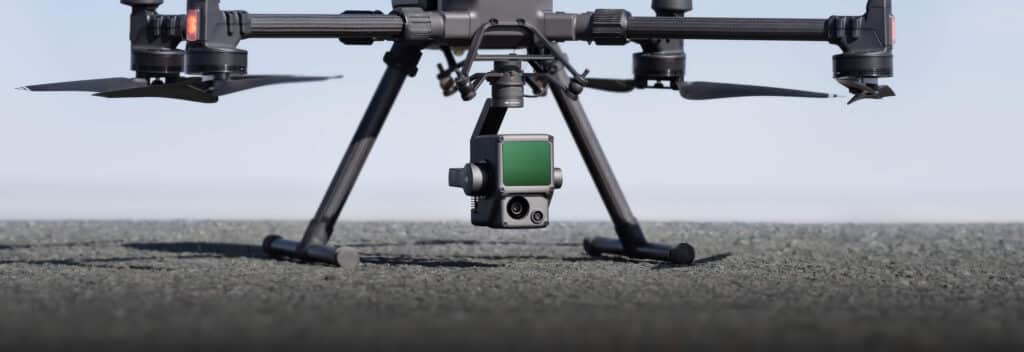
What Can a Drone Inspection Detect?
A drone inspection can document visible condition issues, heat anomalies, access constraints and change over time. It is strongest when a client needs evidence from a roof, facade, solar array, tower, construction site or industrial asset without sending someone into the first point of risk.
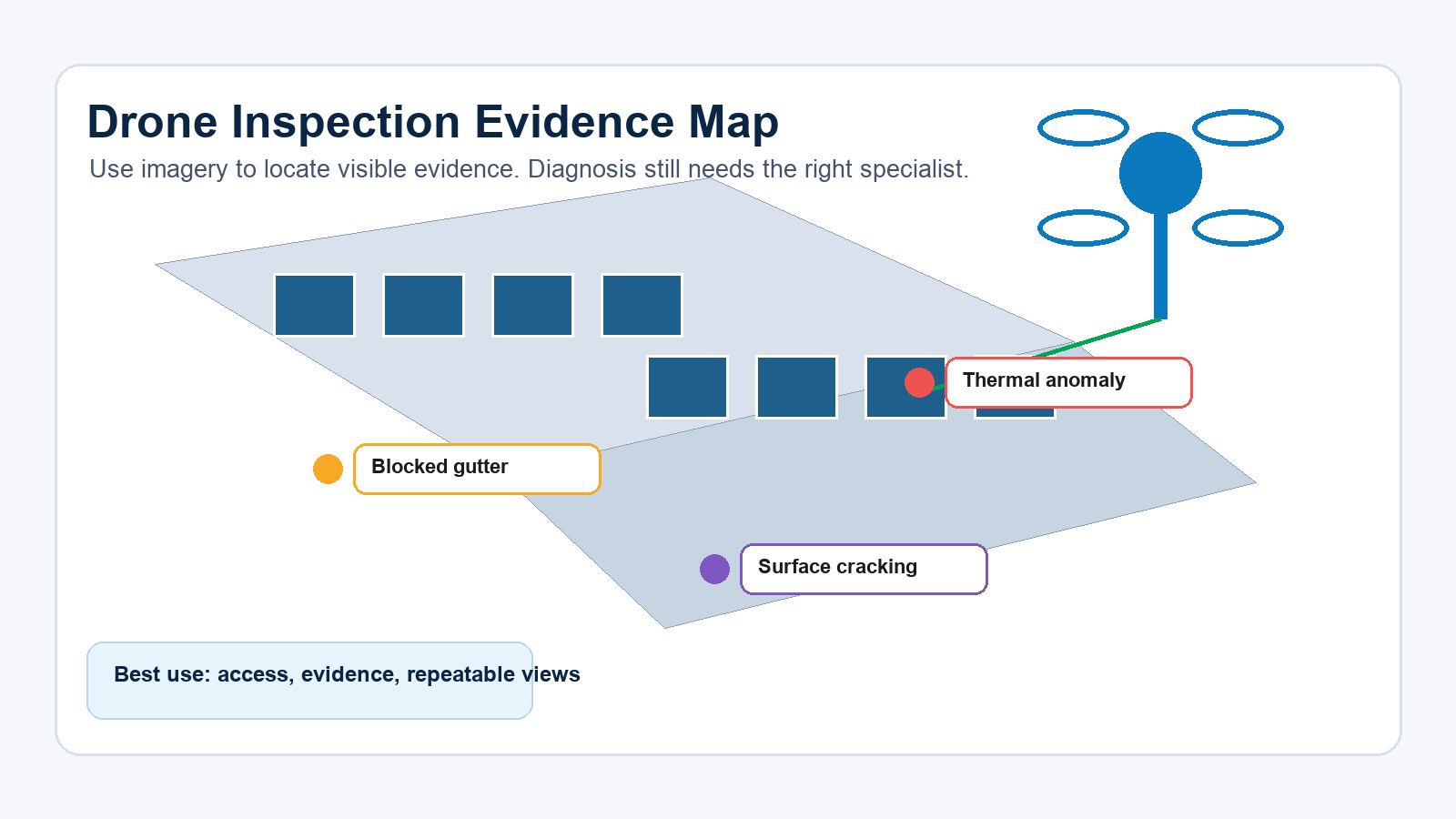
The important distinction is this: a drone captures evidence. A qualified specialist interprets defects when the outcome needs engineering, electrical, building or insurance certainty. That distinction protects the client and makes the inspection more useful, because the images can be handed to the right person with clear context.
HexFlix provides aerial inspection services for commercial projects across Brisbane, the Gold Coast, the Sunshine Coast and Australia-wide. Commercial drone work in Australia should be planned around CASA requirements, including drone registration and the right operating approval where the job requires it. CASA also recommends asking a drone operator for proof of registration, licence and insurance before hiring them. See CASA’s guide to hiring a drone operator.
Drone Roof Inspection Finds Visible Evidence Before Access Costs Escalate
Roof work is where drone inspection often earns its place early. A first pass can show broken roof sheets, lifted flashing, blocked gutters, ponding water, corrosion, cracked ridge capping, damaged skylights, displaced fixings or storm damage. The result is a clearer brief before anyone books scaffolding, rope access or an elevated work platform.
The drone will not confirm the hidden cause of a leak by itself. It can narrow the search area. If a gutter is blocked above the stain line, or a damaged roof sheet sits near the affected room, the maintenance team starts with evidence instead of guesswork.
For Brisbane commercial properties, this matters after storms because multiple sites may need triage. Drone imagery can help decide which assets need urgent physical access and which can wait for scheduled maintenance.
Drone roof inspection also gives asset owners a permanent visual record. That can be useful for maintenance history, insurance conversations, contractor briefing and comparing the same asset after future weather events.
Thermal Drone Inspection Shows Heat Patterns, Not Final Diagnoses
Thermal imaging is useful because some faults show up as temperature differences before they are obvious in normal imagery. On solar assets, thermal images may show hot spots, bypass diode issues, string-level patterns or panels that deserve closer electrical review. On buildings, thermal differences may point to moisture patterns or insulation gaps, depending on the material and site conditions.
Thermal results are sensitive to timing. Solar inspections need suitable sunlight and operating conditions. Building surfaces can be affected by shade, wind, rain, reflections and recent temperature change. A thermal image taken at the wrong time can look technical while saying very little.
This is why a thermal drone inspection should be scoped carefully. The operator needs to know what the client is trying to confirm, what asset is being inspected and who will interpret the findings. If a licensed electrician, engineer or building consultant needs the imagery, the capture should be planned around what that specialist needs to see.
Zoom Drone Inspection Keeps Distance From High-Risk Assets
A zoom camera becomes valuable when the drone should not fly close to the asset. Towers, mast hardware, facade fixtures, signage, roofing edges and industrial equipment often need detail from a controlled standoff distance.
This is not only about image quality. It is about risk. A close flight near wires, cranes, reflective surfaces or people can create avoidable exposure. A zoom lens lets the pilot preserve separation while still capturing bolts, panels, corrosion, missing caps or labels that matter to the maintenance team.
For asset owners, this can also reduce disruption. A zoom inspection can capture detail while keeping the site operating, provided the flight area and risk controls are suitable.
Confined Or GPS-Denied Inspection Needs a Different Plan
Some inspection environments do not suit a standard outdoor drone. Culverts, tunnels, under-bridge sections and indoor industrial spaces may have poor GPS, low light, dust, water, magnetic interference or tight geometry.
If the inspection is indoors or confined, the scope should be checked before the site visit. The operator needs to know the access opening, lighting, airflow, floor condition, radio signal constraints and whether propeller protection or a specialist platform is required.
The useful answer for clients is not “yes, drones can inspect confined spaces”. The useful answer is “only if the environment, aircraft and risk controls match the job”.
What the Client Should Receive After a Drone Inspection
A good inspection deliverable is organised around the asset, not dumped as a camera roll. The client should be able to find the location, compare images and send evidence to the relevant contractor.
Useful deliverables include labelled image folders, high-resolution stills, short video clips, thermal files if captured, annotated screenshots and a short visual summary. For repeat inspections, the capture angles should be planned so future flights can compare the same areas.
For asset managers, this repeatability is often more valuable than a cinematic video. A beautiful flyover may impress stakeholders, but a consistent set of inspection angles helps maintenance decisions.
When a Physical Inspection Is Still Required
Physical inspection is still needed when the surface must be touched, opened, tested or certified. Drone imagery cannot measure material strength, certify electrical compliance, confirm hidden moisture, test fasteners or sign off structural integrity.
The best workflow is often staged. Use the drone to collect the first visual evidence. Use that evidence to brief the trade, engineer, electrician, insurer or asset manager. Then send people only where the evidence says they are needed.
Brisbane Drone Inspection Questions To Ask Before Booking
Ask what asset areas need evidence, what level of detail is required, who will interpret the imagery, what file formats are useful, and whether the site has airspace or access constraints. If the site sits near controlled airspace or requires unusual flight conditions, approvals may affect timing. CASA explains that some operations need flight approvals and permissions.
HexFlix can help scope the capture plan for aerial inspection in Brisbane and supply imagery that supports maintenance, asset review and specialist assessment.
FAQs
Can a drone inspection replace a building inspection?
No. It can support a building inspection by showing hard-to-reach areas, but certification needs the right qualified person.
Can a drone find roof leaks?
It can identify visible roof issues that may relate to leaks. The exact cause may still need physical inspection.
Can thermal drone inspection find solar panel faults?
It can highlight heat patterns that deserve closer review. Electrical diagnosis still needs the right specialist process.
What should be included in a drone inspection report?
At minimum, labelled imagery, asset locations, capture notes and a clear explanation of what the images do and do not confirm.
Is commercial drone inspection legal in Australia?
Yes, provided the operator follows CASA requirements and holds the right registrations, licences or approvals for the job.
Leave a Reply
Want to join the discussion?Feel free to contribute!